
MADE IN USA  Carbide Tipped & Solid Carbide Cutting Tools — manufacturing since 1986
Mon–Fri 7:00am–5:30pm CDT · (800) 345-8924
0%

Choosing among the Top 10 Types of Carbide Tipped Jobber Length Drills requires more than comparing flute shapes. Material hardness, hole depth, machine rigidity, coolant delivery, and production volume all influence the result. A drill that performs cleanly in cast iron may struggle in stainless steel. Small differences matter.

Dr. Tony Schmitz, a respected machining researcher, offers a useful principle: “Measure the process, not just the tool.” That advice fits Carbide Tipped Jobbers Length Drills especially well. Operators should watch spindle load, chip color, entry stability, and hole-wall finish. A sharp carbide tip can still fail when runout, vibration, or poor chip evacuation remains unchecked.

This guide examines ten practical drill types, including general-purpose designs, split-point options, high-performance coolant-through models, and geometry choices for difficult alloys. Each type has a useful operating window. None is universally superior. That is easy to forget.

Carbide-tipped drills often provide strong wear resistance at a lower cost than solid carbide tools. However, their brazed or mechanically supported tips may react poorly to impact, interrupted cuts, and unstable setups. The ranking therefore considers cutting behavior, workpiece compatibility, maintenance, and realistic shop conditions. Some recommendations may need adjustment after testing. Actual results should guide the final choice.
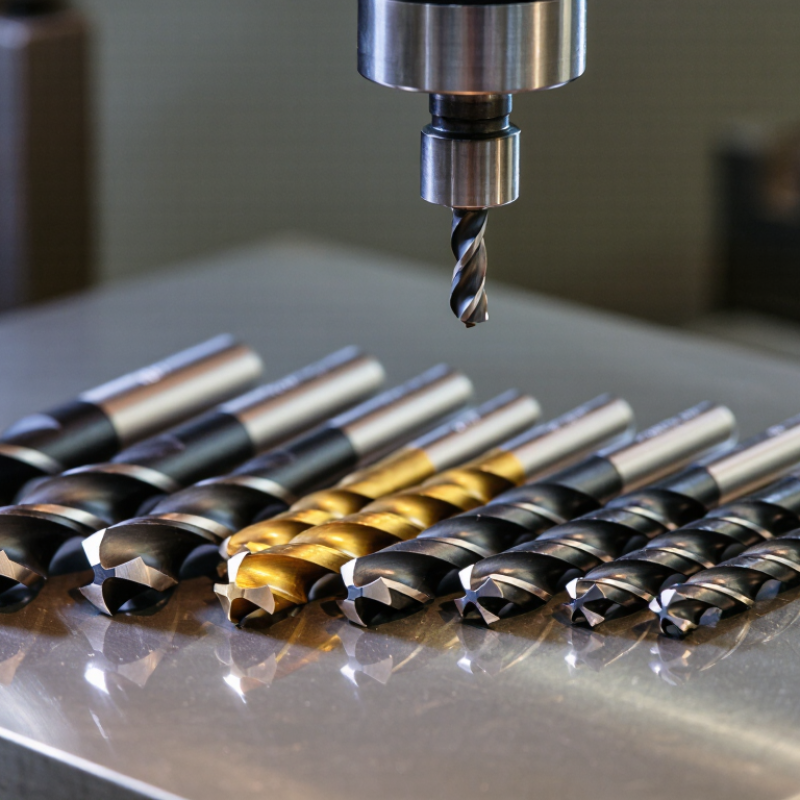
Top 10 Types of Carbide Tipped Jobber Length Drills?

Carbide-Tipped Jobber Drills: Definition, Structure, and Core Advantages

Carbide-Tipped Jobber Drills: Definition, Structure, and Core Advantages

Carbide-tipped jobber drills combine a steel body with a hard carbide cutting tip. “Jobber length” describes their common, general-purpose proportions: long enough for many everyday drilling tasks, yet manageable in a standard drill chuck. The carbide at the cutting end resists wear and heat better than ordinary tool steel. It does not make the whole drill unbreakable.

The tip is joined to the body, and its cutting edges shape the hole as the drill rotates. Flutes carry chips away and help coolant reach the cutting zone.

On a workbench, the difference becomes clear when drilling abrasive or hard material: a suitable carbide tip can hold its edge through repeated holes. Use steady alignment. Chatter can chip the tip, especially if the workpiece shifts or the feed is too aggressive.

These drills are valued for wear resistance and consistent performance in demanding materials, but the result depends on setup. Choose the drill for the workpiece, keep it firmly clamped, and follow the maker’s recommended speed and feed. Carbide is hard, but brittle. A small mistake can matter. In practice, chip removal and a rigid setup deserve as much attention as the drill itself.

Ten Major Types Classified by Tip Design and Cutting Geometry

Carbide-tipped jobber-length drills are often grouped by how their tips enter material and form a hole. Common geometries include the 118-degree conical point, 135-degree conical point, 118-degree split point, 135-degree split point, four-facet point, web-thinned point, self-centering point, pilot point, flat-bottom point, and multi-facet point. Naming varies between suppliers, so compare the actual point drawing rather than relying on labels alone.

Each geometry changes cutting behavior. Split points and thinned webs reduce walking on a marked surface. Four-facet designs can provide a controlled, stable start, while flat-bottom tips suit shallow, flat-ended recesses. Pilot points help guide entry, but may not suit every material or hole depth. Point angle also matters: a wider angle can strengthen the tip, while a sharper one may cut more readily in suitable materials. These are trade-offs, not guarantees. Workholding, feed, speed, and coolant still affect hole quality and tool life.

Tips: Match the point to the workpiece and setup. Clamp the material firmly, start with a light feed, and check the drill maker’s speed guidance. Inspect the carbide edges before use; small chips can spoil the finish. A geometry that works well on a rigid machine may wander in a handheld setup. That detail is easy to overlook.

Drill Types Matched to Metals, Composites, and Other Materials

Carbide-tipped jobber drills are not one-size-fits-all. The tip stays hard under heat, but the point and flute design determine how cleanly it cuts. For mild steel, a standard 118-degree point suits routine holes. A 135-degree split point helps stainless steel start with less wandering. A four-facet point can improve stability in harder alloys, though a rigid setup still matters. For aluminum, a high-helix flute clears soft, sticky chips quickly. Use a lower-helix design for brass, which can grab unexpectedly. It happens.

Deep holes in steel or aluminum may benefit from a parabolic-flute drill that carries chips outward. Thin sheet metal is often easier to start with a step-point design, which reduces walking. For carbon-fiber laminates, a sharp, polished cutting edge can limit fraying, but backing material helps prevent exit damage. A low-thrust geometry can reduce splintering in fiberglass. For plastics such as acrylic, a sharper, carefully ground point helps avoid melting and cracking. These are useful design categories, not strict rules.

Match the drill to the workpiece, then consider its condition and machine. A dull carbide edge can chip, especially when the work vibrates or the feed is uneven. Secure the material, use suitable speeds, and clear chips before they pack into the flutes. Some recommendations overlap; testing a small hole first is sensible, even if it feels slow.

Key Differences in Shank Style, Point Shape, and Flute Configuration

Carbide-tipped jobber drills vary in three practical ways: shank style, point shape, and flute design. These combinations are useful categories, not a universal industry ranking. A straight shank suits standard drill chucks; a reduced shank fits a larger drill size into a smaller chuck. Hex shanks resist slipping in compatible holders, while three-flat shanks improve grip in keyed chucks. Choose by the machine and workholding setup. A perfect cutting edge cannot fix a slipping shank.

Point geometry guides how the drill enters material. Standard split points help reduce walking on metal, while conventional points may need a center-punched start. A blunt, reinforced point can better tolerate impact, though it may require more feed pressure. Flutes matter, too: two-flute designs provide chip space, while shorter or modified flutes can add stiffness. Common combinations include straight-shank split-point, reduced-shank split-point, hex-shank standard-point, three-flat-shank split-point, straight-shank reinforced-point, reduced-shank standard-point, straight-shank two-flute, reduced-shank two-flute, hex-shank two-flute, and three-flat-shank two-flute drills. Keep the drill aligned, clear chips when needed, and use a suitable feed. I still check the cut. A sound and steady chip is a useful clue, but not proof of correct setup.

Representative point angles by configuration

Point angle is one way to compare drill geometries. Carbide-tipped drills are commonly designed for hard, abrasive materials; the shank and flute configurations shown distinguish common styles. Angles are representative examples, not fixed specifications—check the drill maker’s details for the exact geometry and intended material.

How to Select the Right Carbide-Tipped Jobber Drill for Each Task

Choosing a carbide-tipped jobber drill starts with the workpiece, not the catalog label. For cast iron or abrasive composites, a robust carbide tip can resist wear, while a sharp split point helps reduce walking on a flat steel surface. Softer aluminum often needs polished flutes and generous chip clearance. Otherwise, chips may pack and mark the bore. Small detail, big headache.

Match the point and flute design to the cut. A standard point suits many general-purpose holes; a flatter point can perform better in harder materials, but follow the drill maker’s guidance for the specific grade and setup. For a deep hole, jobber length may not clear chips reliably. Peck drilling can help, though it adds cycle time. Check the required diameter, hole depth, and machine runout before choosing a drill. Carbide is hard, but brittle. A handheld setup or a loose vise can make its edge chip quickly.

Coatings can reduce friction or improve wear resistance, yet they cannot fix poor alignment or the wrong speed. Use a rigid machine, secure the work, and test on a matching offcut when the material is unfamiliar. Watch the chips and listen for chatter. A clean, steady cut is useful evidence; I would not trust a neat coating description alone.

FAQS

What are the main carbide-tipped jobber drill point designs?

Common designs include conical points, split points, four-facet points, web-thinned points, and self-centering points. Pilot, flat-bottom, and multi-facet points are also available. Names can vary.

Which point design helps prevent walking on a flat surface?

Split points and web-thinned points usually reduce walking during entry. They work best with firm clamping and controlled pressure. They are not magic.

How does point angle affect drilling performance?

A wider angle can strengthen the tip for demanding materials. A sharper angle may enter suitable materials more easily. The trade-off matters.

Which drill features suit aluminum?

Aluminum often benefits from polished flutes and generous chip clearance. These features help prevent chips from packing inside the bore. Packed chips cause trouble.

Can a jobber-length drill make deep holes?

It can, but chip removal may become unreliable in deeper holes. Peck drilling can clear chips, although it increases cycle time. Check the depth carefully.

Why does setup rigidity matter when using carbide?

Carbide resists wear but remains brittle. A loose vise or handheld setup can chip its cutting edge quickly. Rigid support matters more than expected.

Should coating determine the drill choice?

No. A coating may reduce friction or improve wear resistance. It cannot correct poor alignment, excessive runout, or unsuitable speed. Marketing descriptions are not enough.

What should be checked before drilling an unfamiliar material?

Confirm the material, hole diameter, depth, machine runout, speed, and feed. Test the drill on a matching offcut when possible. Watch the chips. Listen for chatter.

Conclusion

Carbide Tipped Jobbers Length Drills combine a jobber-length body with durable carbide cutting tips, offering a practical balance of reach, rigidity, and wear resistance. Their performance depends on more than the carbide itself: tip design and cutting geometry influence how efficiently a drill starts, clears chips, and cuts through different materials. Common variations include distinct point shapes, cutting-edge arrangements, flute configurations, and shank styles, each suited to particular machining conditions.

Choosing among the ten major types begins with matching the drill’s geometry to the workpiece, whether it is metal, composite, or another material. Consider the material’s hardness, the required hole quality, machine compatibility, and chip evacuation needs. The right Carbide Tipped Jobbers Length Drills can improve cutting consistency and tool life, while an unsuitable point or flute design may cause excess heat, poor chip flow, or uneven holes.

Isla

Isla

Isla is a dedicated marketing professional with a strong understanding of product strategy, customer needs, and market trends. As a key contributor to the company’s communications team, Isla regularly updates the company website with clear, practical, and insightful blog articles that help readers......